
Explore Istria
Istria Property Guide
Compare Istria's key property locations by everyday rhythm, access, setting, housing type, seasonality, and the trade-offs that matter after purchase.
At a glance
- Choose the micro-location and everyday rhythm before choosing the property style.
- Compare the same journey, services, access, and seasonal conditions in every shortlisted area.
- Treat town names as starting points—streets, villages, and planning context can change the experience.
- Visit serious options at different times and verify legal, physical, and infrastructure details independently.
Istria location matcher
Which places deserve your first visit?
Choose what matters most. We will suggest three sensible starting points—not a substitute for visiting and comparing them yourself.
Your starting points
Explore these three areas first.
This is an editorial orientation tool, not a valuation or investment recommendation. Streets, micro-locations, planning context, and the individual property matter more than a town label.
Pula
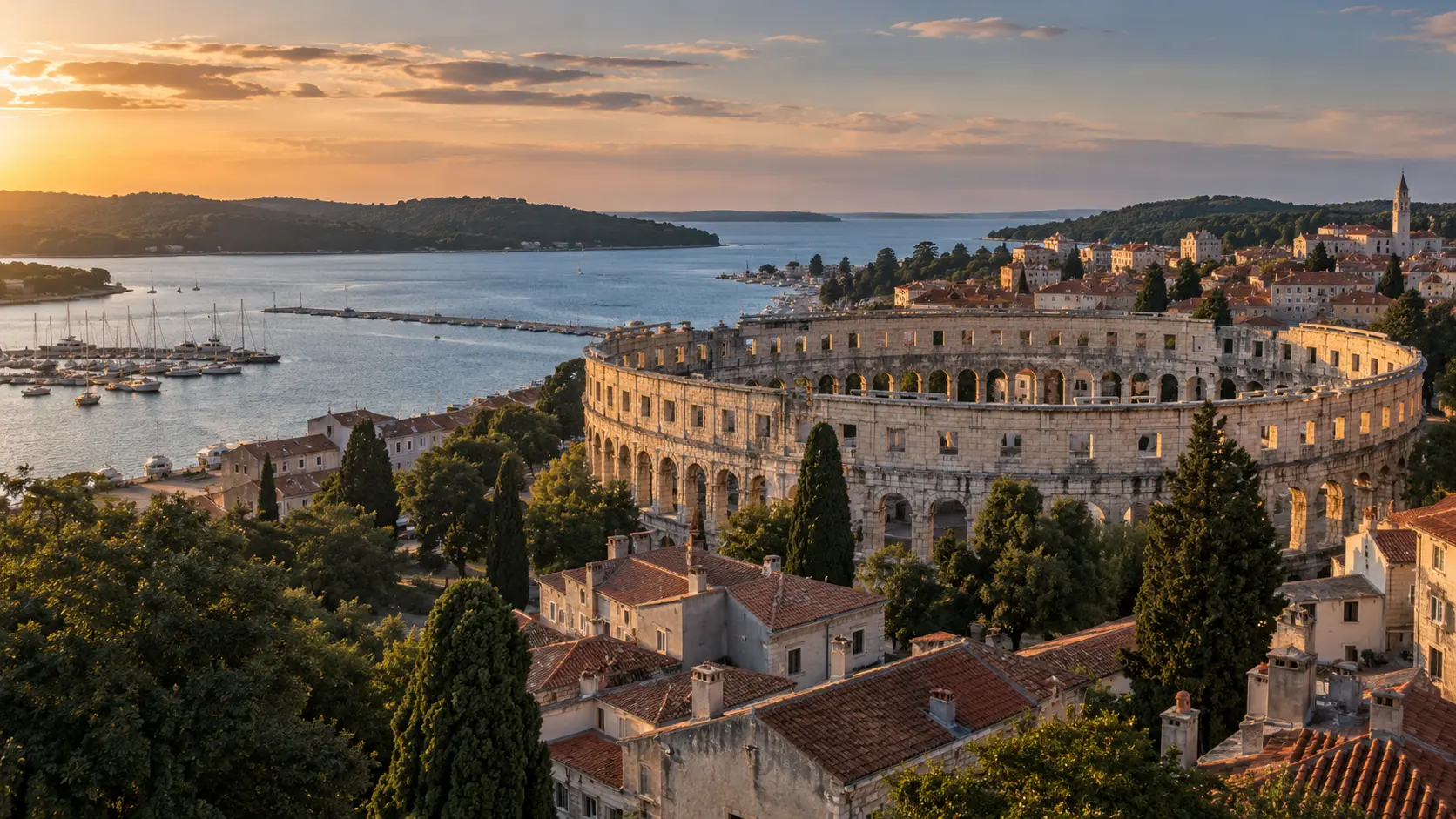
The strongest all-year urban base, with broad services and varied property types.
Open location guide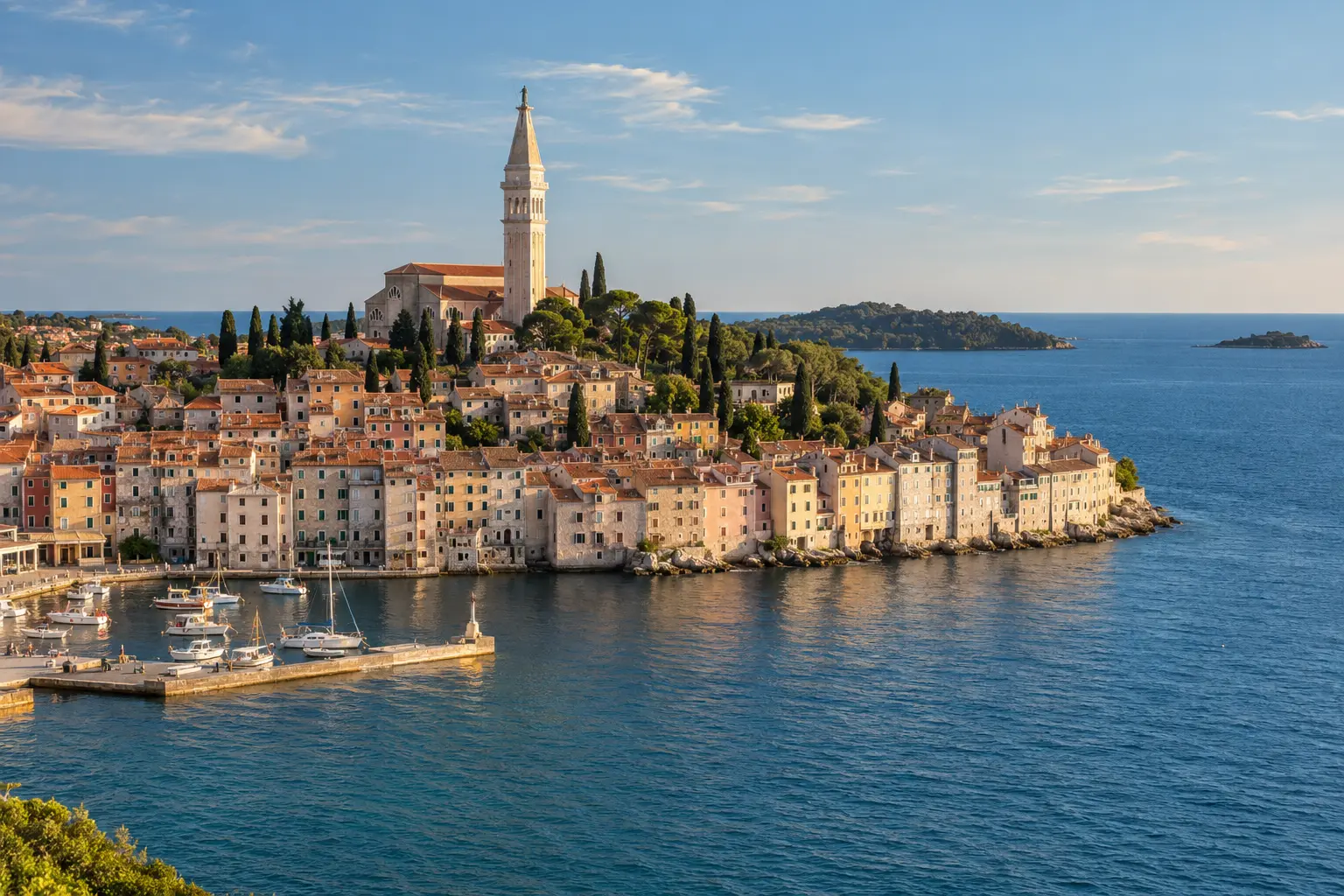
Rovinj
Historic prestige, highly walkable character, and a tightly held coastal setting.
Open location guide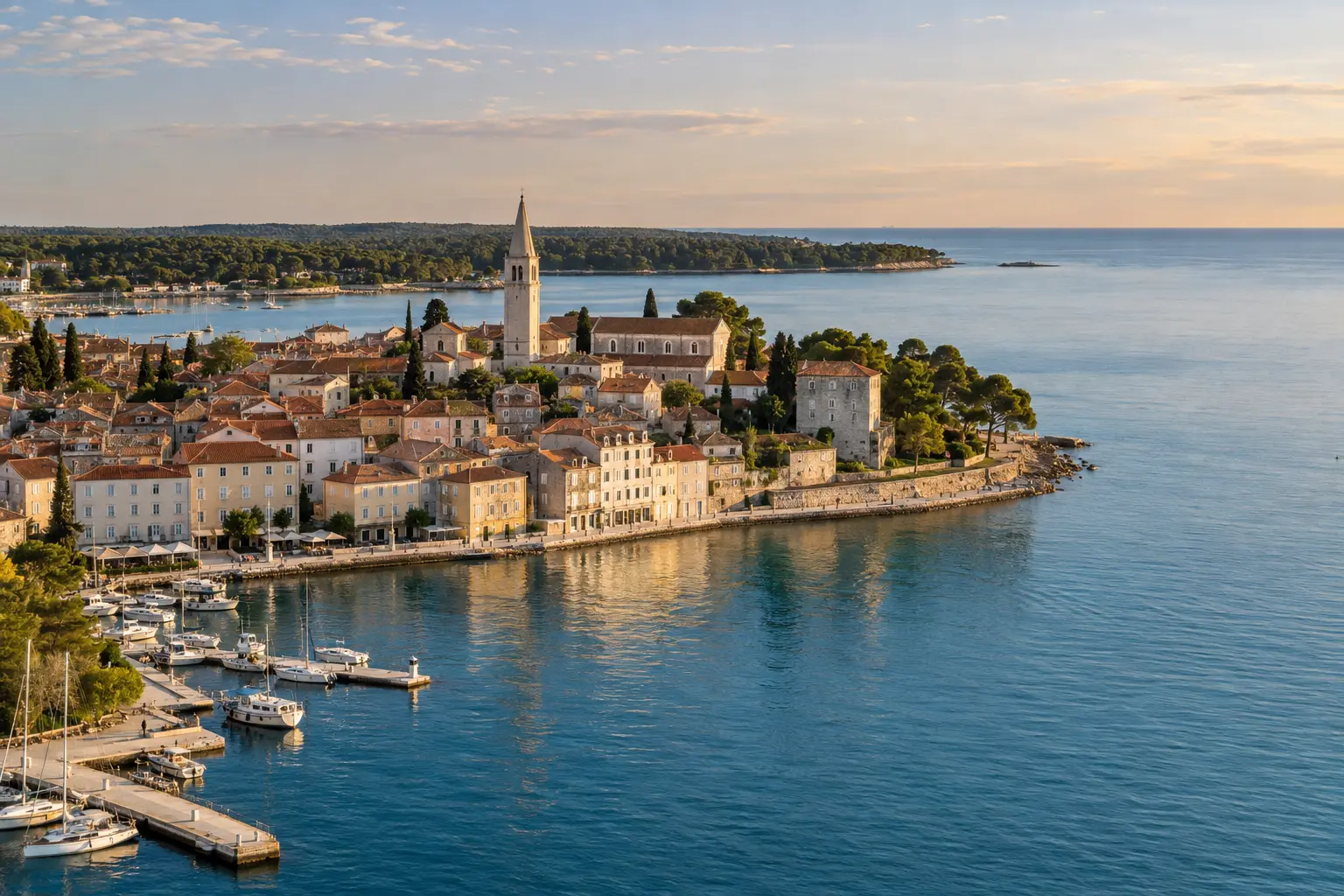
Poreč
An established western-coast base balancing daily convenience and holiday energy.
Open location guide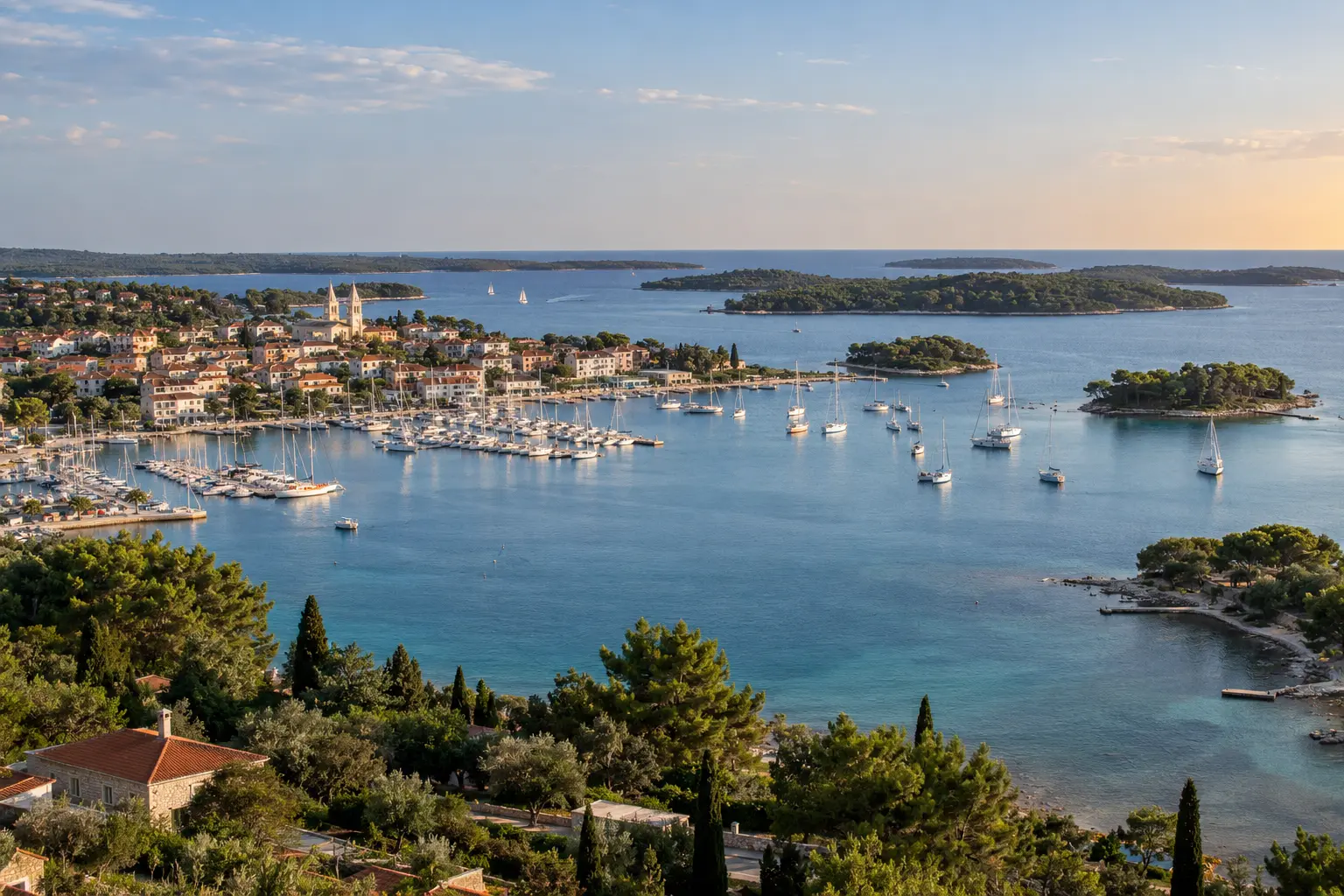
Medulin
Southern coastal living with villas, apartments, and easy access to Pula.
Open location guide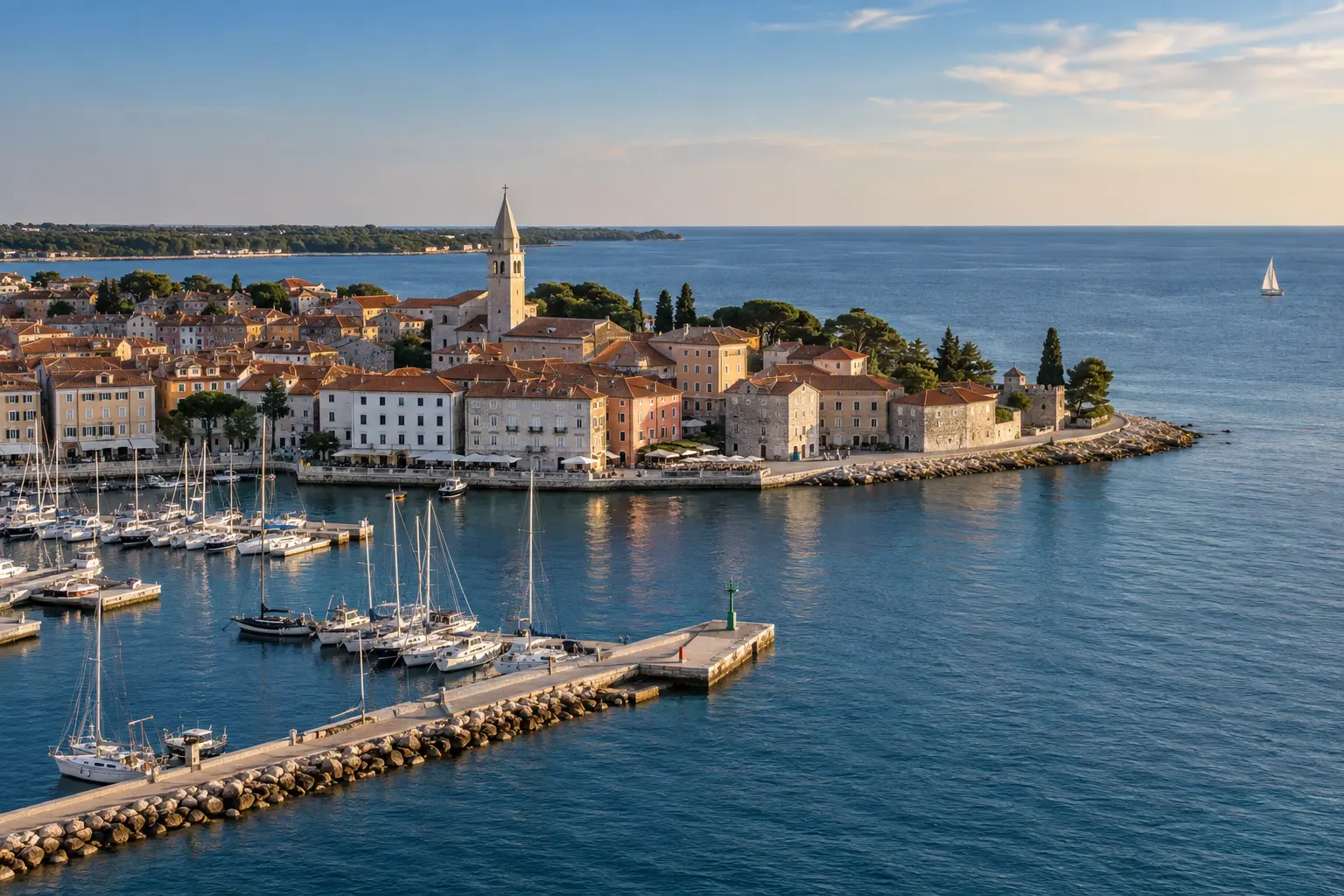
Umag
A northern gateway with resort infrastructure and practical access toward Slovenia and Italy.
Open location guide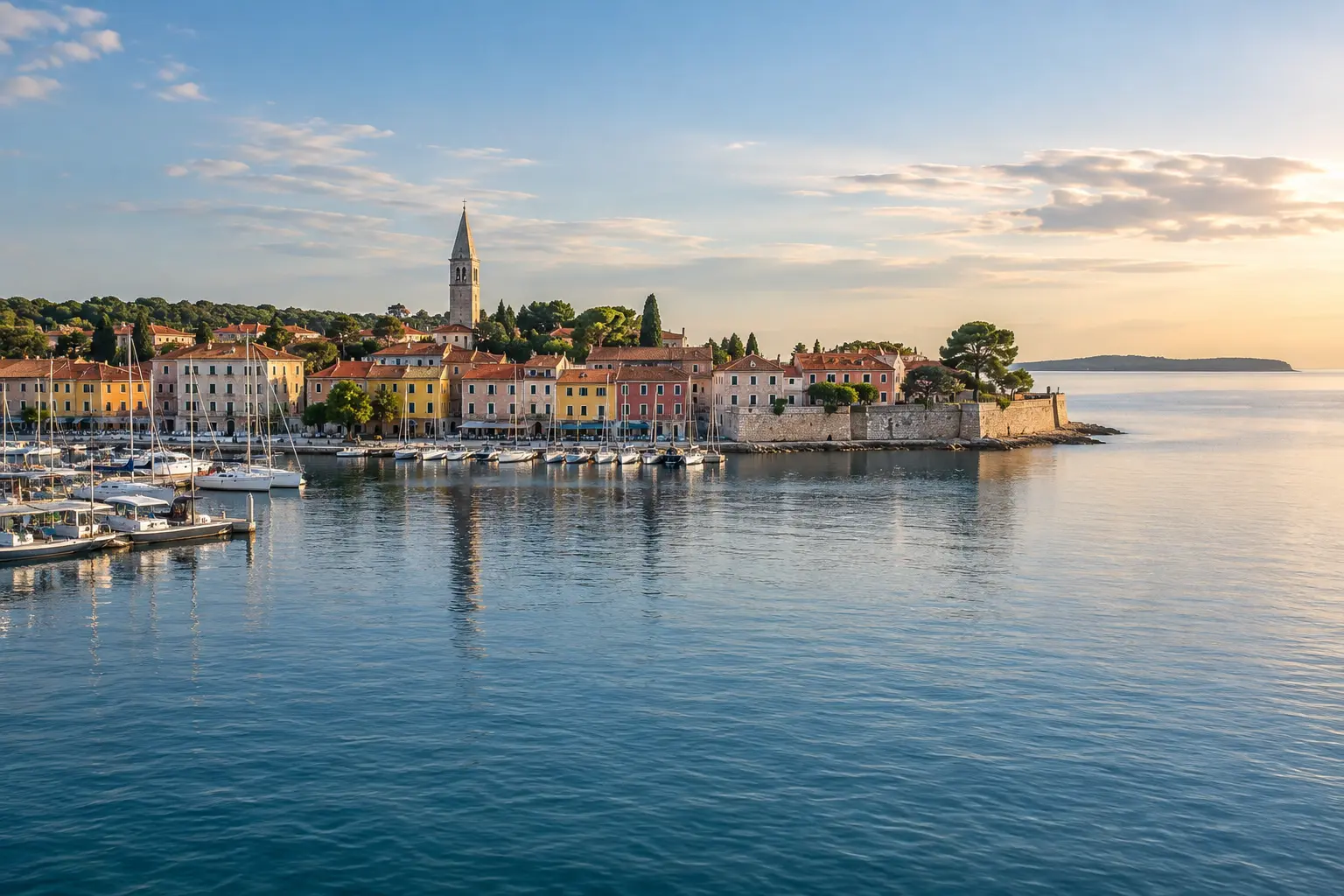
Novigrad
A smaller historic seafront town with a calmer, compact everyday rhythm.
Open location guide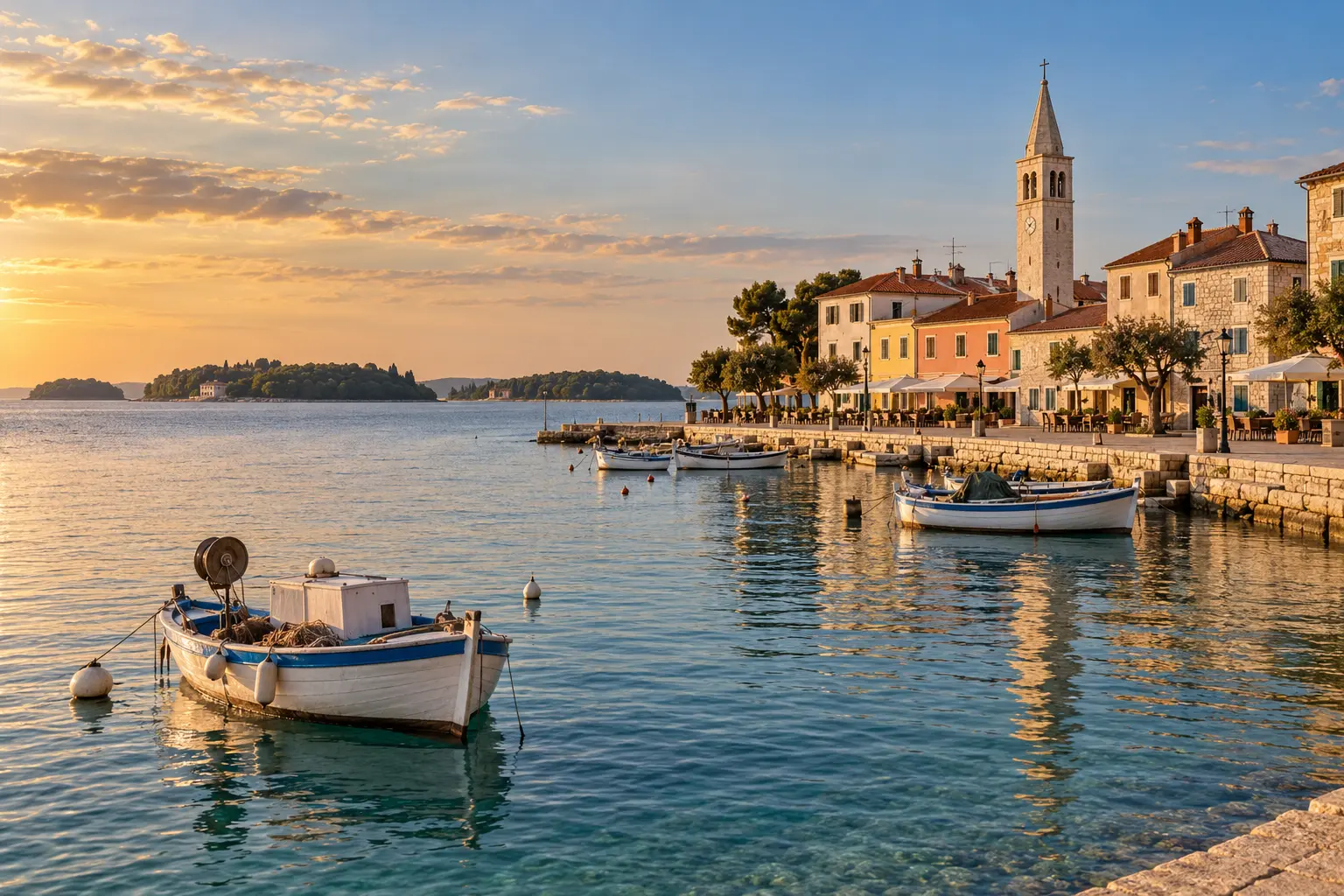
Fažana
A walkable fishing-town scale close to Pula and the Brijuni-facing coast.
Open location guide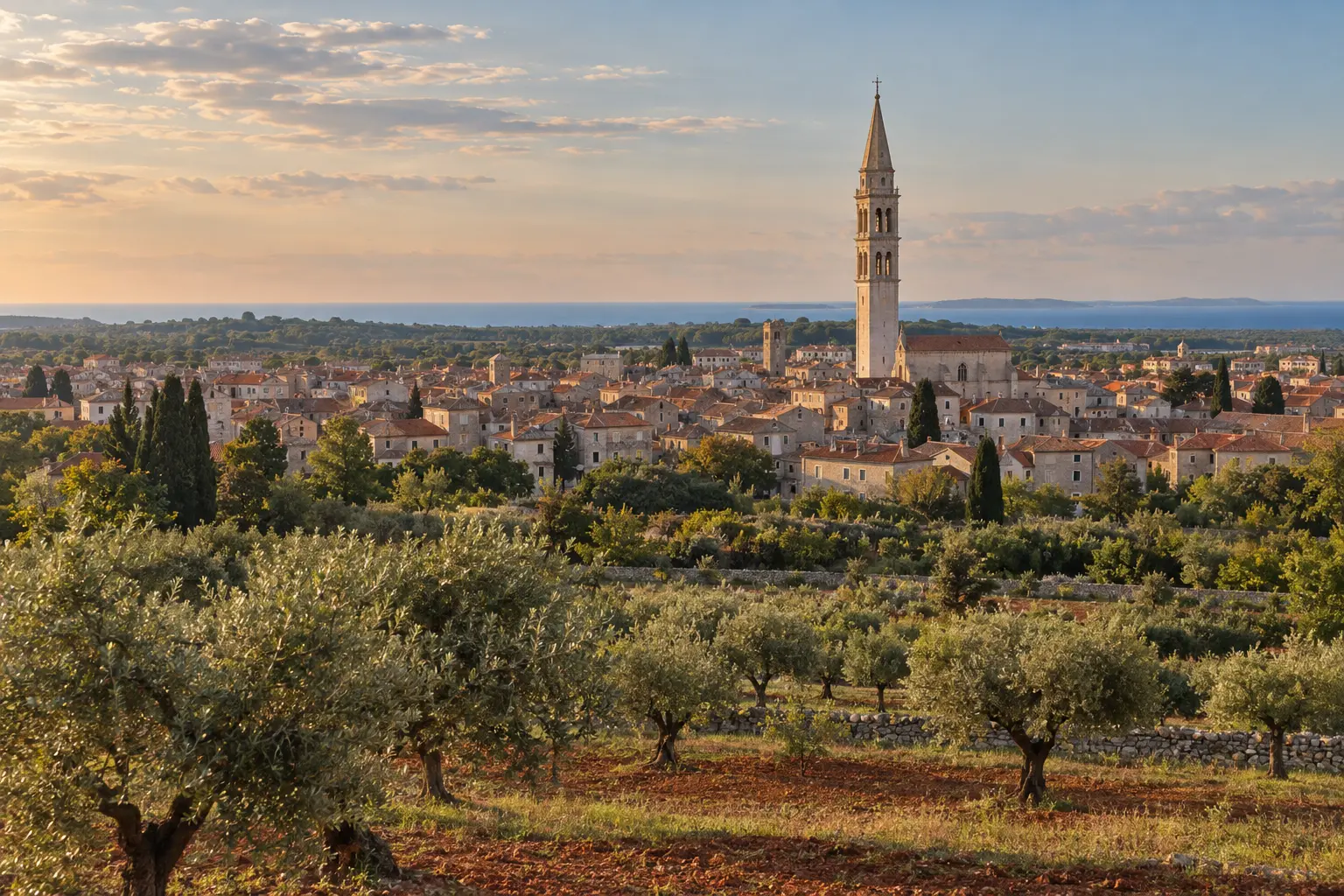
Vodnjan
Heritage, stone houses, land, and more space within reach of the southern coast.
Open location guide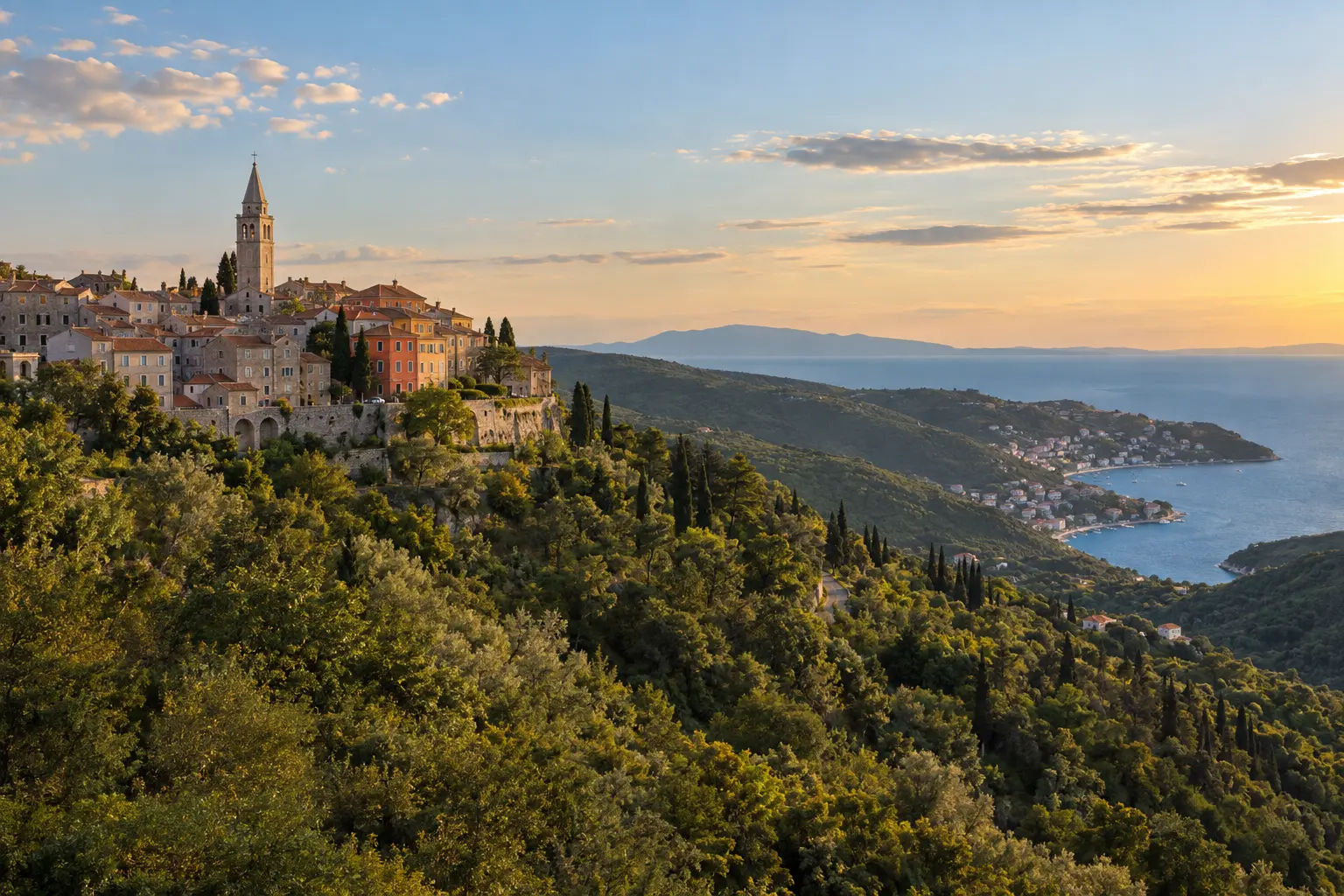
Labin
Hill-town character with access to the eastern coast and a more local pace.
Open location guideView article contents
- 01Start with use, not reputation
- 02Compare micro-locations consistently
- 03Pula — the year-round urban base
- 04Rovinj — atmosphere, prestige, and scarcity
- 05Poreč — an established western-coast balance
- 06Medulin — southern resort energy and villas
- 07Umag — the northern gateway
- 08Novigrad — compact and calmer by the sea
- 09Fažana — walkable small-town coast near Pula
- 10Vodnjan — heritage, land, and breathing room
- 11Labin — hill-town character and the eastern coast
- 12Turn the shortlist into a decision
Istria is compact on a map but not uniform in daily life. A home in Pula, a stone house outside Vodnjan, an old-town apartment in Rovinj, and a villa near Labin may all be “in Istria”, yet they create very different patterns of access, maintenance, privacy, seasonality, and use.
This guide is designed to help you reduce the region to a serious shortlist. It compares nine initial locations supported by Alma Dom Guide. It does not declare a universal winner: the right answer depends on what the property must make possible for you.
The official Istria Tourist Board groups the peninsula into northern, western, southern, eastern, and central areas and presents its coastal towns and inland hill settlements as distinct experiences. Its regional overview is useful for orientation; a property decision needs the additional lens of year-round living, access, records, condition, and ongoing care.
Start with use, not reputation
Before deciding where to search, describe one normal week at the property. Will you live there throughout the year, arrive for short breaks, host several generations, work remotely, keep a boat, rent legally, or leave the home empty for long periods?
Then define the journeys that matter:
- airport, border, motorway, or marina;
- beach, old town, restaurants, and daily shops;
- school, healthcare, sport, and year-round services;
- the property from your primary residence abroad;
- local support when you are absent.
A famous address is useful only if it supports these routines. A quieter village may offer land and privacy but require more driving and property management. A central apartment may simplify arrival and maintenance but trade away parking, outdoor space, and silence.
Compare micro-locations consistently
Use the same scorecard for every serious area. Record rather than remember:
| Question | What to observe |
|---|---|
| Year-round rhythm | Which shops, services, restaurants, and transport remain practical outside summer? |
| Access | Road quality, parking, final approach, border or airport route, and summer congestion. |
| Setting | Orientation, wind, noise, density, future views, privacy, and neighbouring use. |
| Sea relationship | Walkable shore, swimming access, marina needs, elevation, and actual—not advertised—distance. |
| Property supply | Apartments, villas, older houses, land, renovation potential, and likely compromises. |
| Ownership | Garden, pool, façade, common building, security, utilities, and local management burden. |
Visit at more than one time of day and, if the purchase is significant, outside peak season. Drive the access route, park the car, walk to the places you expect to use, and listen with the windows open. A ten-minute shift around the same town can alter noise, gradient, views, traffic, planning exposure, and daily convenience.
Pula — the year-round urban base
Pula is the region’s most complete city environment. It suits buyers who want daily services, healthcare, schools, culture, employment, airport proximity, and a wider range of neighbourhoods and property types.
The choice is not simply “centre or coast”. Historic streets, established residential districts, newer apartment areas, marina-facing positions, and edge-of-city houses behave differently. Check parking, lift access, building condition, street activity, summer routes, and whether an advertised sea connection is genuinely convenient on foot.
Consider Pula for: year-round living, practical access, apartments, urban services, or a base that does not depend entirely on the holiday season.
Examine carefully: block-level noise, traffic, common-building obligations, parking, and the legal status of altered apartments or houses.
Rovinj — atmosphere, prestige, and scarcity
Rovinj combines a highly recognisable historic setting with a polished coastal lifestyle. Buyers are often drawn by walkability, architecture, dining, the waterfront, and the strength of the destination’s identity.
Those qualities create trade-offs. Old-town access, stairs, parking, deliveries, renovation constraints, humidity, shared structures, and limited outdoor space can matter more than the view. Beyond the historic core, residential neighbourhoods and surrounding areas may offer easier car access or modern homes while retaining proximity to the town.
Consider Rovinj for: a premium historic atmosphere, compact coastal living, a strong destination identity, and buyers comfortable prioritising place over floor area.
Examine carefully: access and parking, building fabric, permitted use and works, shared elements, and the operational reality of ownership in the core.
Poreč — an established western-coast balance
Poreč offers a broad mix of everyday services, coastal neighbourhoods, tourism infrastructure, apartments, houses, and newer projects. It can suit owners who want the western coast and a practical town rather than only a seasonal resort experience.
The wider Poreč area contains very different environments. A central apartment, a coastal settlement, and a villa inland should not be compared only by driving distance to the centre. Test the final approach, walking routes, neighbourhood density, planned construction, and which services are available throughout the year.
Consider Poreč for: a balanced western-coast base, families, newer homes, apartments, and owners wanting both services and holiday character.
Examine carefully: micro-location, development around the property, seasonal traffic, infrastructure, and whether the setting matches the intended use.
Medulin — southern resort energy and villas
Medulin and its surrounding settlements appeal to buyers who want the southern coast, beaches, boating, holiday infrastructure, and relatively easy reach of Pula and its airport. The area includes dense resort environments, quieter residential streets, apartments, and villas with pools.
Summer energy can be an advantage or a compromise. Inspect traffic, event and hospitality noise, parking, privacy, drainage, wind exposure, and year-round services at the exact address. For a villa, include pool, landscape, security, and vacant-home management in the decision.
Consider Medulin for: coastal holidays, villas and apartments, boating, southern-Istria access, and owners comfortable with a stronger seasonal rhythm.
Examine carefully: summer intensity, road and parking access, plot privacy, utilities, and the burden of managing outdoor areas.
Umag — the northern gateway
Umag’s northern position is attractive to owners arriving by road from Slovenia, Italy, Austria, and parts of Central Europe. The area combines town services, sports and resort infrastructure, marinas, apartments, houses, and nearby settlements.
Do not reduce the decision to cross-border convenience. Compare the town, tourist complexes, coastal residential areas, and hinterland villages by winter rhythm, walkability, beach access, maintenance, and future surroundings.
Consider Umag for: northern access, sport and marina interests, holiday use, apartments, and a base oriented toward Central European road travel.
Examine carefully: the exact coastline relationship, seasonal activity, resort adjacency, traffic, and practical services outside summer.
Novigrad — compact and calmer by the sea
Novigrad offers a smaller-scale historic seafront experience than the region’s larger centres. Its compact character can suit buyers who value walkability, marina life, restaurants, and a calmer daily rhythm without giving up the western coast.
Limited space makes the details important. Check parking, storage, terraces, shared structures, moisture and salt exposure, delivery access, and whether a central position works for your mobility. Surrounding residential areas may offer easier ownership but a different atmosphere.
Consider Novigrad for: a smaller historic coastal base, compact living, marina interest, and buyers seeking calm rather than urban scale.
Examine carefully: property condition, access, outdoor space, parking, and the difference between core and surrounding neighbourhoods.
Fažana — walkable small-town coast near Pula
Fažana has a distinct fishing-town scale and a waterfront facing the Brijuni archipelago. Its proximity to Pula makes it attractive to buyers who want a smaller coastal setting without being far from city services.
Central positions, apartment areas, and nearby residential streets offer different privacy and parking. Study summer pedestrian and vehicle flows, restaurant or event noise, sea exposure, common-building condition, and the route to Pula at the times you will actually travel.
Consider Fažana for: walkable coastal living, a smaller-town atmosphere, proximity to Pula, apartments, and low-maintenance holiday use.
Examine carefully: summer pressure, parking, street activity, terraces and views, and maintenance in exposed coastal positions.
Vodnjan — heritage, land, and breathing room
Vodnjan and its surrounding settlements shift the emphasis from polished waterfront living toward heritage, stone houses, land, olive landscapes, renovation, and larger plots. The southern coast and Pula remain within the wider daily orbit, but most options are car-dependent.
For older houses and land, legal and technical investigation is central. Confirm boundaries, access, utilities, building status, planning rules, auxiliary structures, wastewater, and the real cost of restoration. Privacy also needs checking against future development rights around the parcel.
Consider Vodnjan for: stone houses, renovation, land, privacy, gardens, and buyers willing to manage a more involved property.
Examine carefully: documentation, infrastructure, buildability, access rights, neighbouring development, and realistic renovation scope.
Labin — hill-town character and the eastern coast
Labin brings together a historic hill-town identity, year-round local life, and access toward Rabac and the eastern coastline. It can appeal to buyers seeking stronger local rhythm, views, traditional houses, villas, or projects away from the western-coast pattern.
Topography is part of the decision. Test gradients, access, retaining walls, drainage, wind, orientation, distance to swimming, and the practical route between hill and coast. Sea views should be checked against parcel boundaries and planning conditions, not treated as permanent because they exist today.
Consider Labin for: local life, historic character, east-coast access, views, traditional houses, and more space.
Examine carefully: slopes, structures and retaining walls, driving routes, utilities, moisture, and future development affecting outlook.
Turn the shortlist into a decision
Choose no more than three areas for the first focused visit. Within each one, compare two micro-locations and at least two property types. That gives you enough contrast to discover whether your original brief is accurate without turning the search into an unstructured tour of the peninsula.
For every serious option:
- repeat the same access and walking test;
- record year-round services and seasonal concerns;
- compare purchase price with readiness and ownership costs;
- commission independent legal and technical due diligence;
- confirm planning context, access, utilities, and actual boundaries;
- decide who will care for the property when you are absent.
Use the Istria Tourist Board’s destination directory for a first understanding of the region’s areas and official local tourist offices. Use the visit to test your real life. Then use property-specific evidence to make the purchase decision.
The best Istrian location is not the one with the strongest postcard. It is the one whose compromises still make sense on an ordinary Tuesday in February as well as a summer evening in August.
Alma Dom
Looking for property in Croatia?
Share your brief with the Alma Dom team for a more focused property search.